How memories are made
Making memories

Explore
The Quilt
A Patchwork of Memories
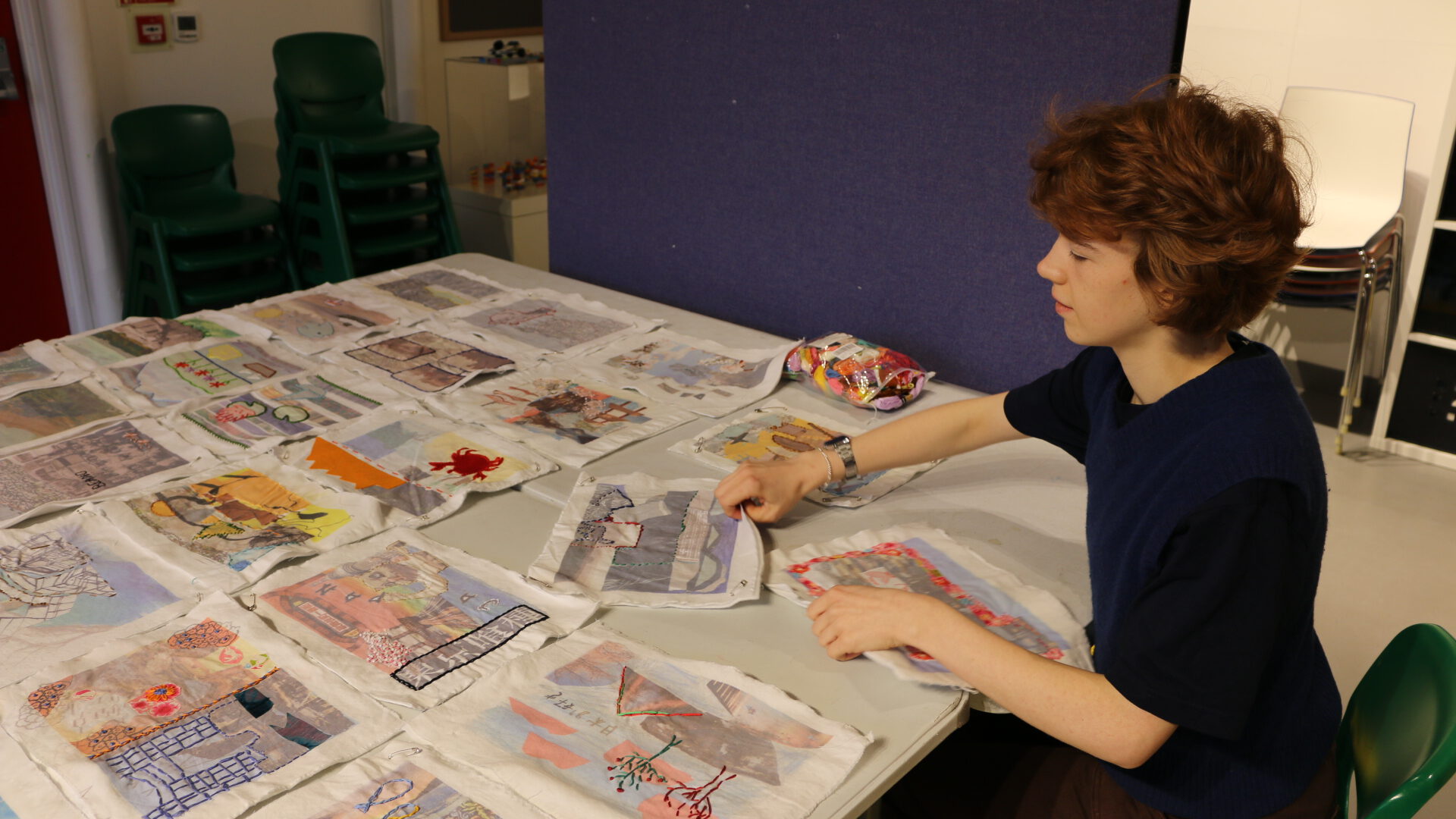
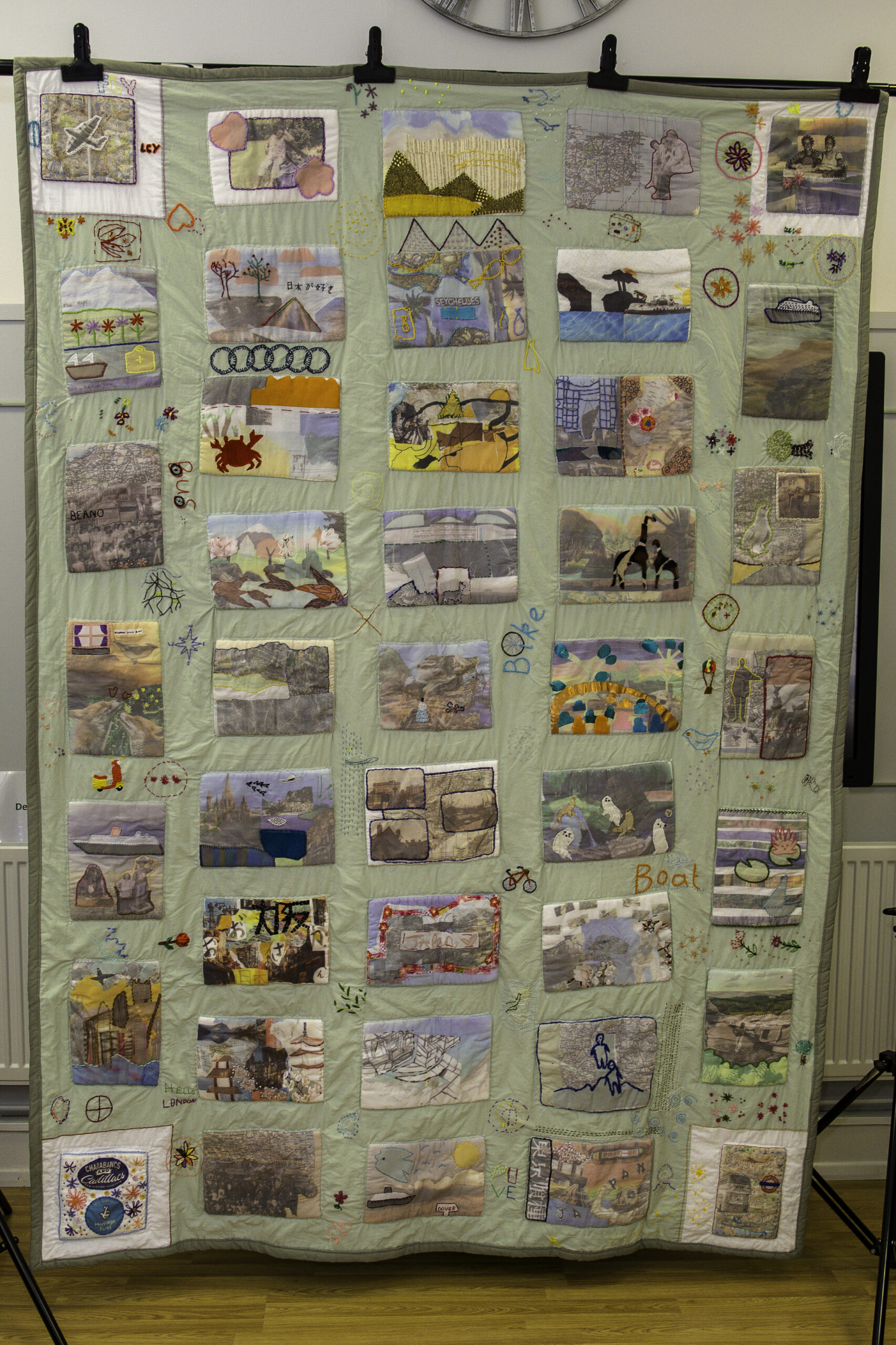
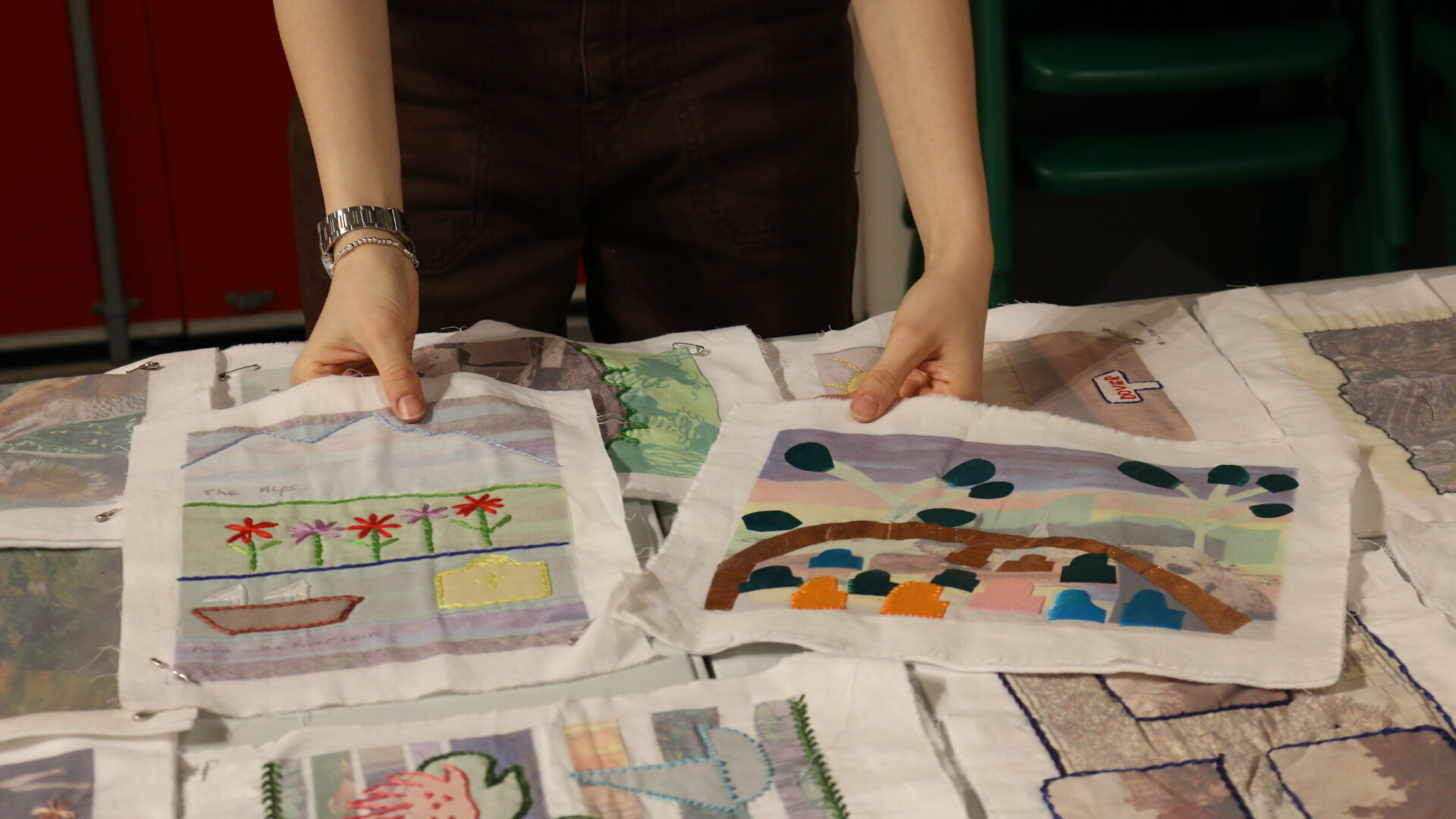
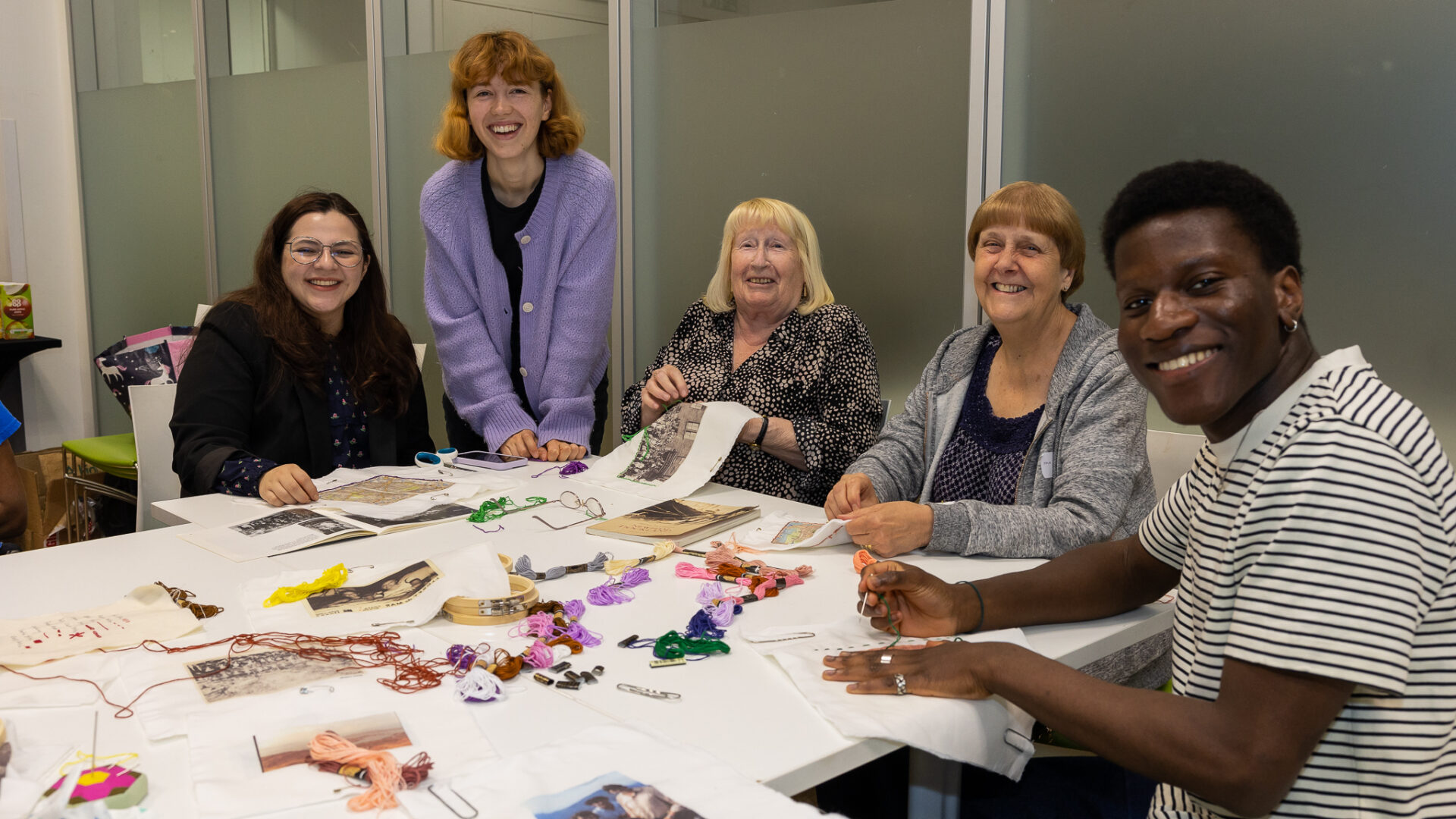
The travel quilt was developed as part of the rich history of quilt making to document local memories through stitch. The making process involved participants translating their memories visually, using collage, textile, print and embroidery. These panels were then stitched onto a fabric backing which then toured local sewing groups to be further embroidered onto. This project formed partnerships with various community groups to successfully engage isolated adults aged 60+ and students from Newham Sixth Form College. The project not only improved the wellbeing of participants through the act of collective making but also created a new record of local stories. Overall, the finished travel quilt is an intergenerational outcome that showcases the diverse community of Newham and our stories.
The History of Quilt making
Quilts are textiles made from layered fabric, stitched together through many hours of work, often involving the efforts of many individuals. They serve a practical purpose as warm domestic textiles and are frequently crafted from repurposed scrap fabrics. Despite their humble origins, quilts hold value in their ability to tell the stories of their makers. When pieced together with discarded textiles, they reflect the maker’s past, incorporating parts of old clothing, worn remnants, and leftover fabric from various sewing projects.
Quilting is also commonly a communal activity, with individuals sewing together in households and communities. Global quilt-making traditions vary in their processes. In the UK and North America, quilt blocks are usually used to create designs for decorative quilt tops. In Bangladesh and Bengal, Kantha quilts are traditionally made from layered and stitched saris fabric.
Quilts also have a fascinating history as symbols of rebellion. In the 19th century, the Underground Railroad utilised quilts to communicate messages to enslaved people seeking freedom, embedding a secret code within their designs. The shapes and motifs sewn into the quilts could convey warnings and directions to those who could read them. Quilts can serve as powerful tools for remembrance.
In the 1980s, the AIDS Memorial Quilt was created to honour and celebrate those who lost their lives to the AIDS pandemic. Initially containing 1,920 panels when first displayed in 1987, the quilt grew significantly during its tour across the United States, with panels added in each city. By the end of the tour, the quilt’s size had tripled, comprising more than 6,000 panels. This quilt reflects the power of community, even in challenging times, and highlights textiles as a tool for community action.
Explore the Quilt Read the stories Reminisce with the authors